Sending money to India for a medical emergency.
When a family member in India needs money for treatment, the fastest reliable route is a transfer to someone you trust who can pay the hospital in person, using an account you have already set up. Collecting from a US bank takes one to three business days, so a ready account matters more than anything else.
Family
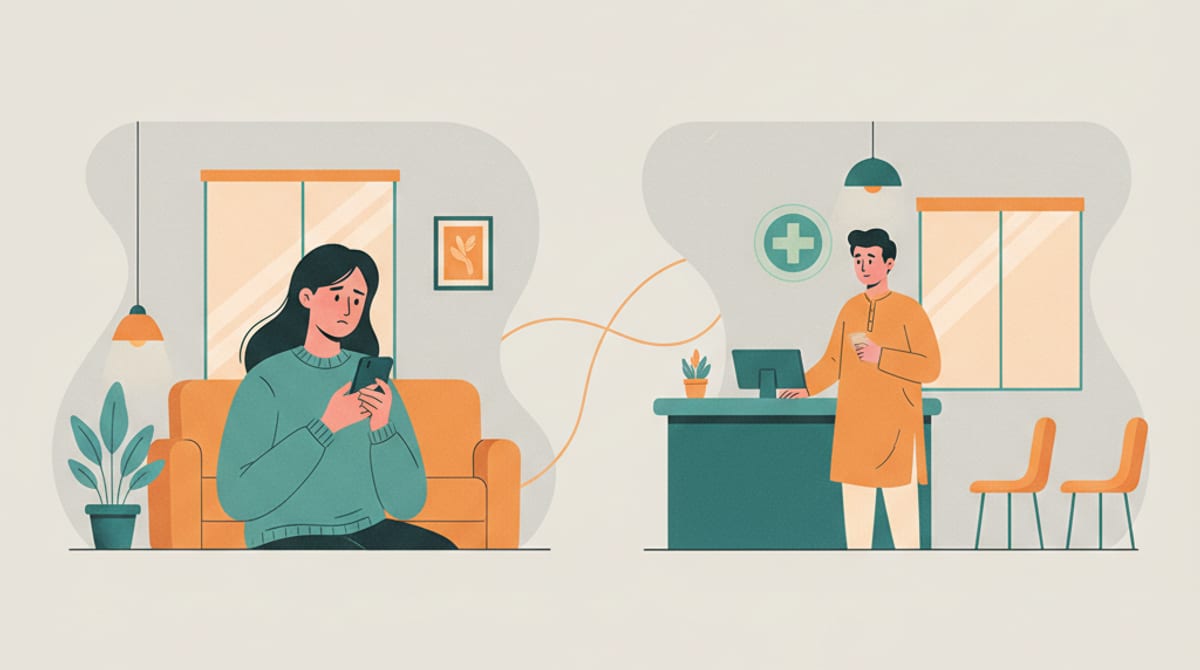
What is the fastest way to send money to India for a hospital bill?
The fastest way is one that is already set up: a verified transfer account, a linked US bank and a saved recipient in India. Starting from scratch adds a review and checks you cannot speed up. With everything ready, collecting from your US bank usually takes one to three business days, then the payout usually lands within hours.
We would rather tell you that honestly than promise minutes. With ComplyRemit, the slow part is the ACH debit from your US bank, which only moves on business days. Once it has cleared, the money is paid to the Indian account or UPI ID quickly.
If the bill is due today and the transfer cannot arrive today, the practical answer is usually a relative in India covering it now and being repaid when your transfer lands. Hospitals generally accept a deposit to begin treatment, so the full bill is rarely needed at admission.
Should I send the money to the hospital or to a relative?
In most cases, send it to a trusted relative's own bank account or UPI ID, and let them pay the hospital at the billing counter. They can pay in the exact amount, at the moment it is asked for, by card, UPI or bank transfer, and they can handle the receipts and any refund when the patient is discharged.
Hospital bills move. A deposit at admission, a revised estimate after a procedure, pharmacy charges, a final settlement at discharge. Someone on the ground can respond to each of those, while money sent from abroad to a hospital account has to be matched to the right patient and bill by the hospital's own accounts team.
Does the patient's health insurance change how much I need to send?
It can change it a lot. If the patient has health insurance with a network hospital, ask the hospital's insurance desk about cashless treatment, where the insurer pays the hospital directly. Your money may then only need to cover the deposit, items the policy excludes, and the gap between the claim and the bill.
Ask the family for three things early: the policy number or card, the hospital's estimate in writing, and the name of the person at the insurance or TPA desk. Those three answers tell you how much needs to come from you, and when.
Is there a limit on how much I can send for medical treatment?
India does not cap money that family abroad sends in for treatment, but your transfer provider has per-transfer, daily and weekly limits on each account. With ComplyRemit, the range you can send shows under the amount field. If a large bill is expected, raise your limit through verification before it is due, not on the day.
Adding your Social Security number takes about two minutes and raises your limit as soon as the check passes. Beyond that, a higher limit can be requested with a recent pay stub and bank statement, which a person reviews in about two business days. For a planned surgery, that is time you usually have.
How can I prepare before a medical emergency happens?
Set up your transfer account now. Verify your identity, link your US bank, and add two recipients in India: a parent and a sibling or cousin who lives nearby and could stand in at a hospital. Keep a little room on your limit. Then, when a call comes at 2 a.m., the only step left is sending.
Adding a recipient checks the account with their bank, so a dormant account or a wrong IFSC code shows up on a quiet day instead of during a crisis. It is also worth knowing which of your relatives' accounts accept large credits without fuss, usually an active savings account at a major bank.
How do I avoid scams when someone says a relative is in hospital?
Call the relative or another family member directly on a number you already have before you send anything. A common scam is a message or call claiming a family member has been hospitalised and needs money sent urgently to an unfamiliar account. Real emergencies survive a five-minute phone call to check.
Be especially careful with a request to pay a new account in a stranger's name, a hospital "agent", or anyone asking you to keep it quiet. Pay a relative you know, and let them pay the hospital.
What should I keep after paying a hospital bill in India from abroad?
Keep your transfer confirmation and ask the family to send photos of the hospital's final bill and payment receipts. If an insurance claim is made later, or the hospital refunds an unused deposit, those documents decide where the money goes. They also explain the transfer if a bank ever asks what a large credit was for.
Related
Send money to India with ComplyRemit
Pay a UPI ID or an Indian bank account from your US bank, with the rate shown before you confirm.